
There will be two quantum computers: one dedicated to training, proof-of-concept testing, and algorithm development, and another, with greater capacity, focused on scientific research
There will be two quantum computers: one dedicated to training, proof-of-concept testing, and algorithm development, and another, with greater capacity, focused on scientific research
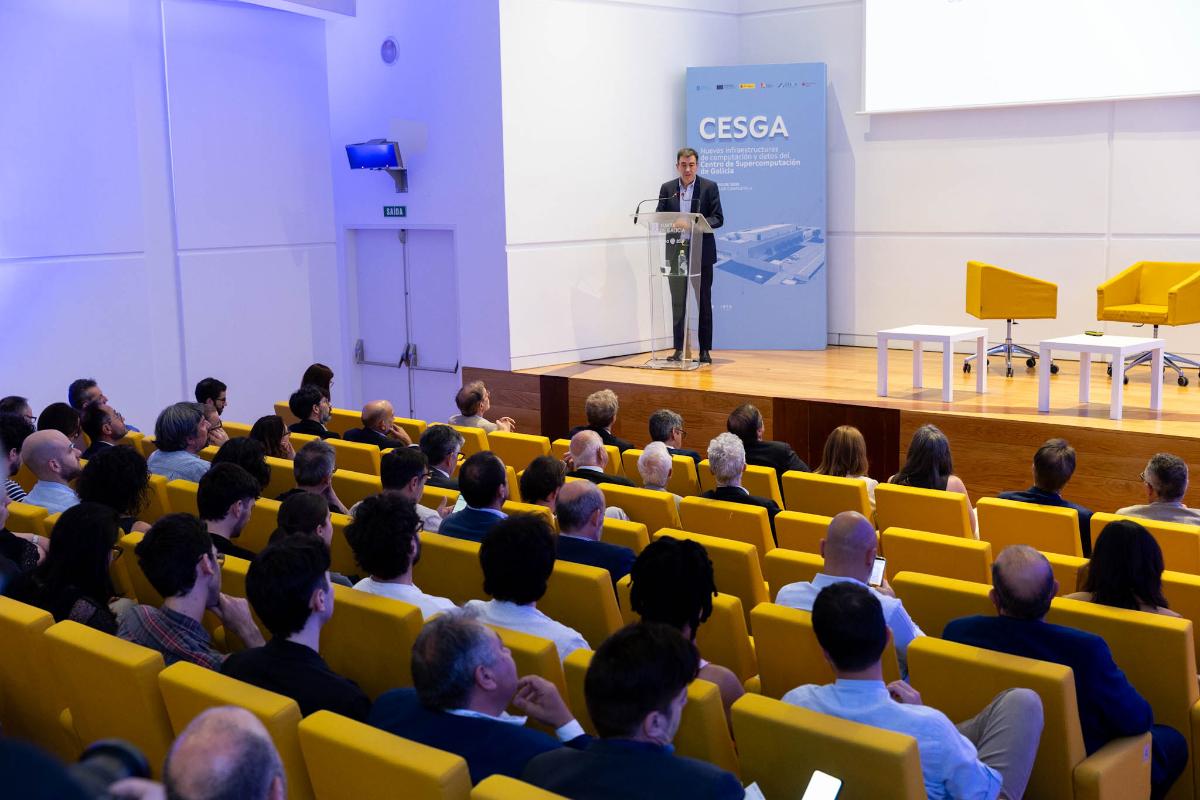
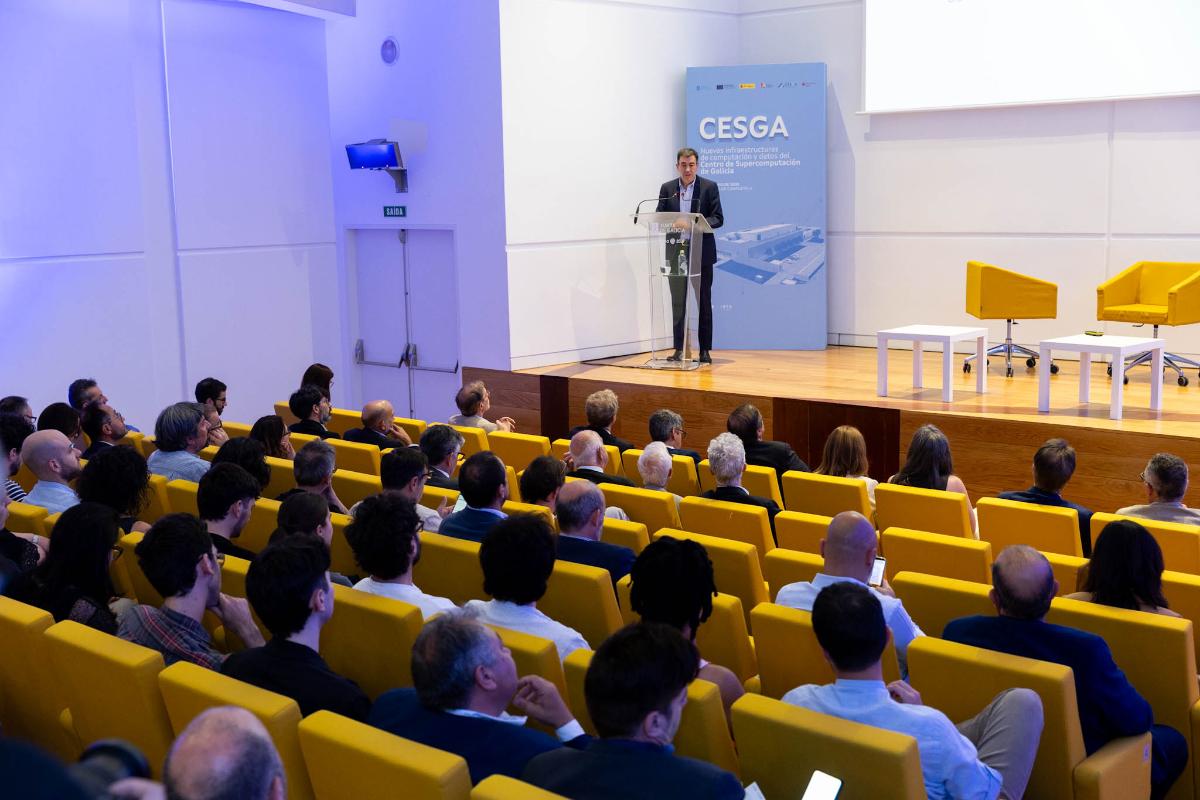
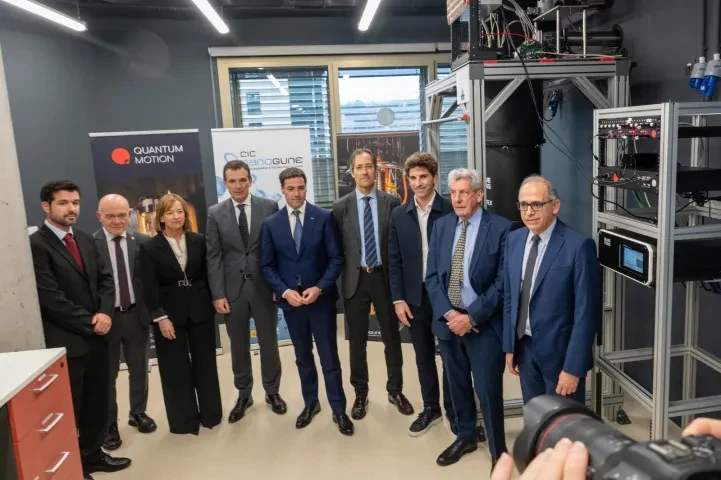
Román Rodríguez, the Regional Minister of Education, Science, Universities, and Vocational Training, participated today in the event to present the new equipment at CESGA (Galician Supercomputing Center), a facility that will incorporate a second quantum computer, called IQM Spark, in addition to the equipment already announced in recent months. As highlighted by the representative of the Xunta de Galicia, the new supercomputer and the two new quantum computers to be acquired will place our region at the forefront of Europe in terms of data storage capacity and participation in major international projects.
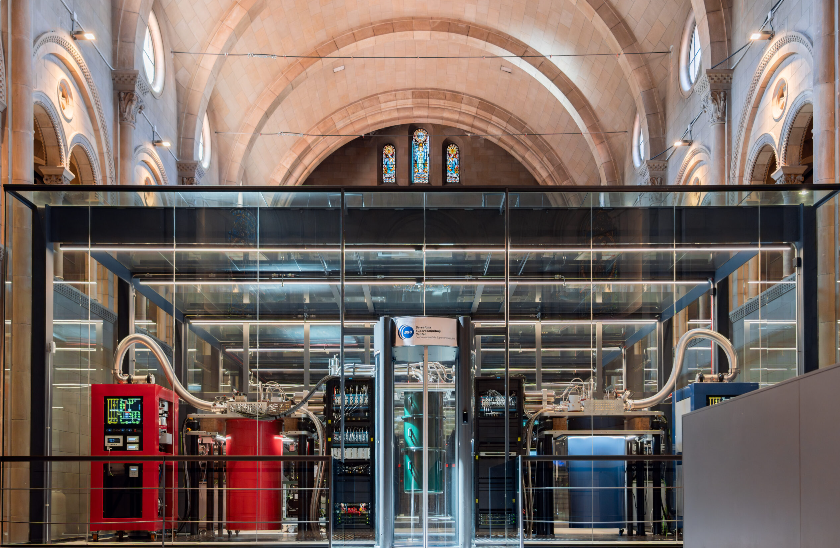
The quantum computers are being acquired through Telefónica. Of these, the smaller-capacity quantum computer (5 qubits) will be dedicated exclusively to training, proof-of-concept, and algorithm development tasks, thus complementing the larger-capacity one (54 qubits), which will serve as the flagship system. This technical separation will allow the larger computer to focus on scientific and industrial production, while the smaller one will serve as a test bed to develop the technical capabilities needed in this emerging field and validate new developments before scaling them up.
For its part, the new Finisterrae IV supercomputer—awarded to Fsas Technologies (Fujitsu)—will increase the computing capacity of the current system (Finisterrae III) sevenfold and represents a technological leap forward by integrating supercomputing with the possibilities opened up by the use of large-scale artificial intelligence. In addition, the storage system will be more than double the size of the current one and will also undergo a significant technical upgrade, adopting a hierarchical architecture that ensures efficient and sustained access to data. The system was designed with a strong emphasis on energy efficiency, employing liquid cooling technologies to support the intensive data flows of today’s scientific computing. Overall, this technology will further contribute to strengthening our R&D&I capacity.
Román Rodríguez, accompanied by the director of the Galician Innovation Agency, Carmen Cotelo, detailed the future possibilities opened up by the expansion of CESGA from various perspectives, and highlighted the current momentum in science and innovation in Galicia Calidade, which he attributed to the joint efforts of government agencies, universities, research centers, technology centers, and companies.
Tackling New Scientific Challenges
With the new Cesga, the research community in Galicia, the rest of Spain, and Europe will be able to access advanced computing resources and quantum processors, establishing a high-performance data ecosystem tailored to the demands and complexity of today’s scientific challenges—and, in particular, those that will arise from the new European AI Factory, 1HealthAI— another milestone recently achieved by R&D&I.
“Cesga is in the midst of renovating its infrastructure,” emphasized the regional minister, a complex operation involving a total investment of 56 M € from European funds under the PERTE Chip (Strategic Project for the Economic Recovery and Transformation of Microelectronics and Semiconductors in Spain within the framework of the Recovery, Transformation, and Resilience Plan) and the regional government’s own funds. “It is a firm commitment to strengthening its role after decades of work at the highest level,” said the regional minister, who encouraged attendees “to continue on this path of progress.”
The upgrade to Cesga’s infrastructure addresses the technical need to handle very high computational workloads in areas such as artificial intelligence, advanced scientific simulation, and large-scale data analysis. The new equipment is designed as an evolution of the current systems, with a special emphasis on adopting specialized infrastructure for AI and quantum computing systems that will enable new advances in quantum algorithm research and the integration of quantum and classical computing. All of this combines power, operational efficiency, and technical scalability to support research in disciplines ranging from genomics to meteorology.




If you believe in the potential of Quantum Technologies, this is the place for you. Join INDUQUANT and help build the quantum future.